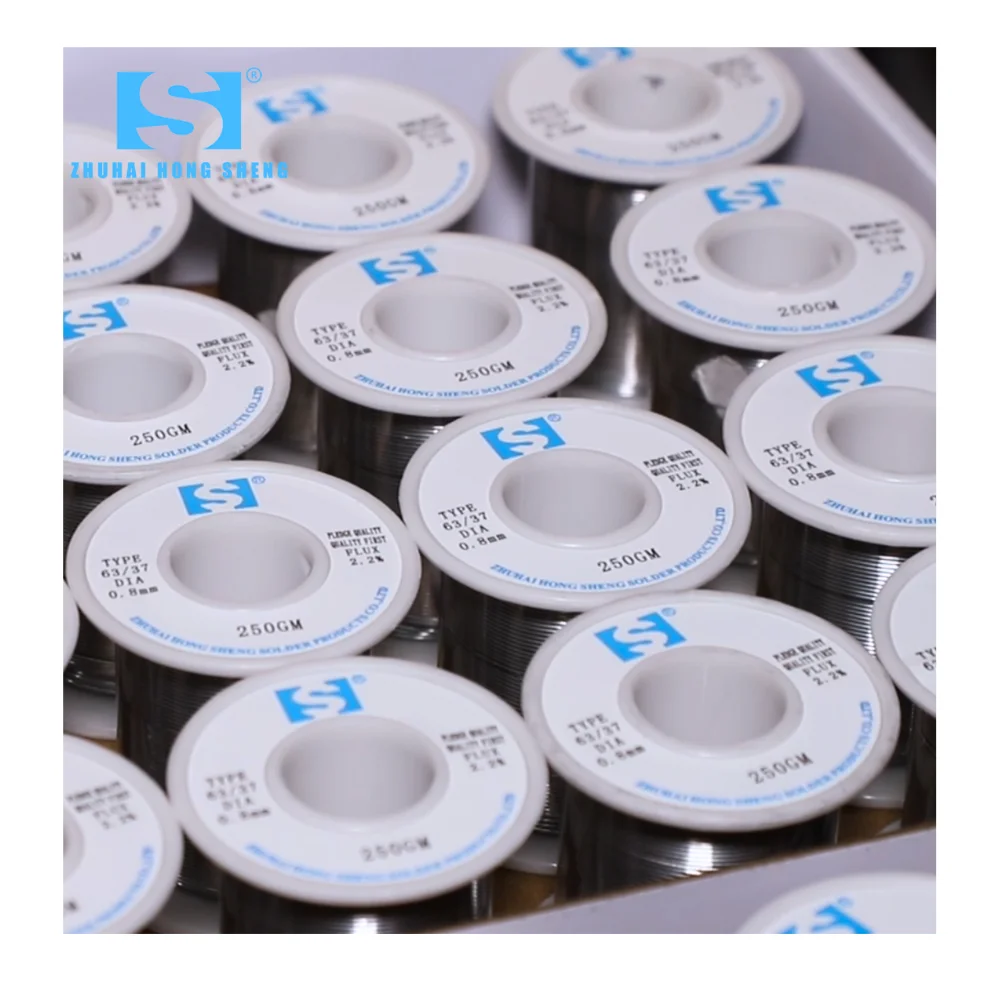
Making electronics can not be done without the use of solder wire. It acts as a glue to connect disparate components, like small pieces of jigsaw puzzle so that they function well together. Solder wire strong and reliable, the use of which contains lead has been used for a very long time. Even though many new types of solder work without the use of lead, most factories and workers still prefer to use stick with honda solder wire products. That's because they trust it to help maintain proper connections essential for keeping your electronic devices up and running.
Although lead solder wire is a good choice, it can affect your health. Lead is a dangerous material that makes people sick if they touch or inhale it. Lead in solder can release toxic fumes when it is heated, which are dangerous to be exposed. This is why workers who are using solder wire should be extremely careful. Organic compound Industrial staff ought to wear protecting gear like masks covering the mouth and nose, gloves in hand. These measures will prevent them from exposure while handling lead.
Lead-Solder Wire is Highly Regarded among Professionals Lead solder wire has several qualities that can't be argued. It gains much popularity because It builds a stronger relationship between electronic parts. Lead helps the solder to flow well and stick firmly between parts being joined. This seemingly indestructible bond is crucial — especially in critical machinery such as airplanes and cars where safety, security are paramount. As a result, many technicians still prioritize quality and security in the products that they manufacture this is why soldering wire with lead continues to be used.
There are a few key aspects to consider when choosing leaded solder wire. Well, wire thickness is one thing you have to take into consideration. The thicker the wire, the longer it takes to melt (solder with) which gives you more time and control when soldering. And, it can be particularly useful when you need to be accurate. The next thing you need to use is flux which acts as a melting substance that help the solder flow easily and keep clean side of both metal part jointed. The best flux is a major contributor towards making the process of soldering easy. Lastly, consider the kind of lead present in your solder. Though no type of solder is lead-free, there are some which would be safer to use than others hence the need for careful consideration before selecting one.
Are you part of the slightly less-than-discerning 58% still using lead free solder wire? Or do you (along with more discerning colleagues in that remaining slice) try a flavor or two of one from our palette of new “lead-free” offerings because they generally seem to work alright and, well –they came on sale this month– so why not give them a whirl. It is now increasing in popularity as more individuals are worried about the health effects, working with lead. It is important to understand that lead-free solder can be difficult to work with and hard to the touch as it may not make connections a strong, when compared against using a solid wire filled with Lead. To switch to lead-free solder or not is a subjective decision according to the requirement of the particular project and this depends on worker as in which are comfortable with.
 EN
EN
 AR
AR
 FR
FR
 DE
DE
 RU
RU
 VI
VI
 TH
TH
 TR
TR
 MS
MS
 BE
BE